
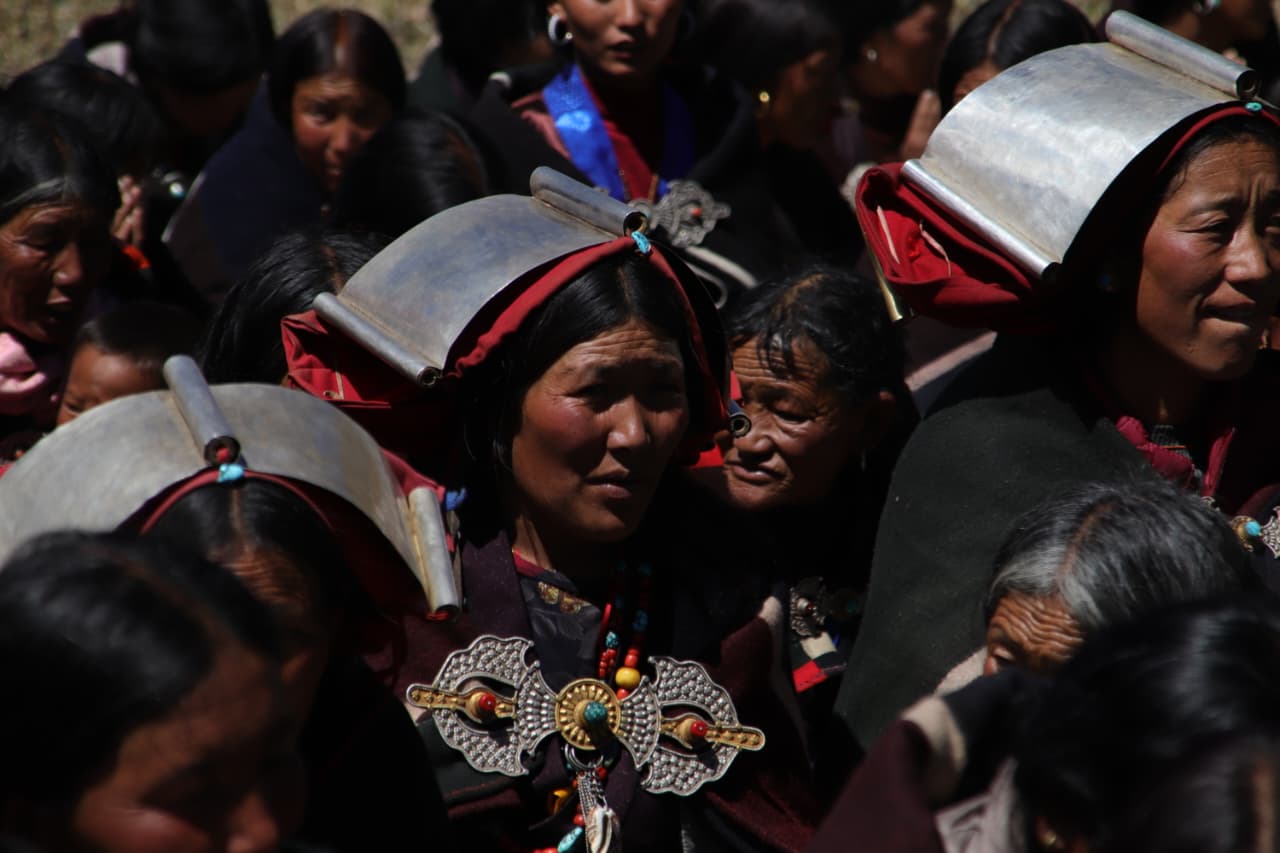
Dolpo Lifestyle & Traditions
Visitors often ask what makes Dolpo special. The answer becomes clear the moment you arrive: life here moves with purpose and patience. Every village, trail, and stone wall carries the weight of Dolpo culture, Dolpo customs, and the old beliefs that guide families through each season. This blend of beauty, hardship, and harmony draws travelers who want more than a trek: they want understanding.
Mountains have shaped the Dolpo way of life and customs, which have stayed loyal to their origins. Families still raise yaks on high pastures, cultivate small terraces, and participate in family rituals and festivals to honor Buddhist and Bon customs. Seeing the traditional lifestyle of Dolpo up close fosters respect. You begin to understand how the Dolpo heritage has endured harsh winters, long travel routes, and limited resources. This is the kind of travel that leaves a lasting impression on your heart.
Whether you dream of visiting Dolpo for its untouched landscapes or want to explore its cultural practices more deeply, you are invited to travel with care. Dolpo Caravan Treks leads journeys that protect local traditions while helping travelers learn from them.
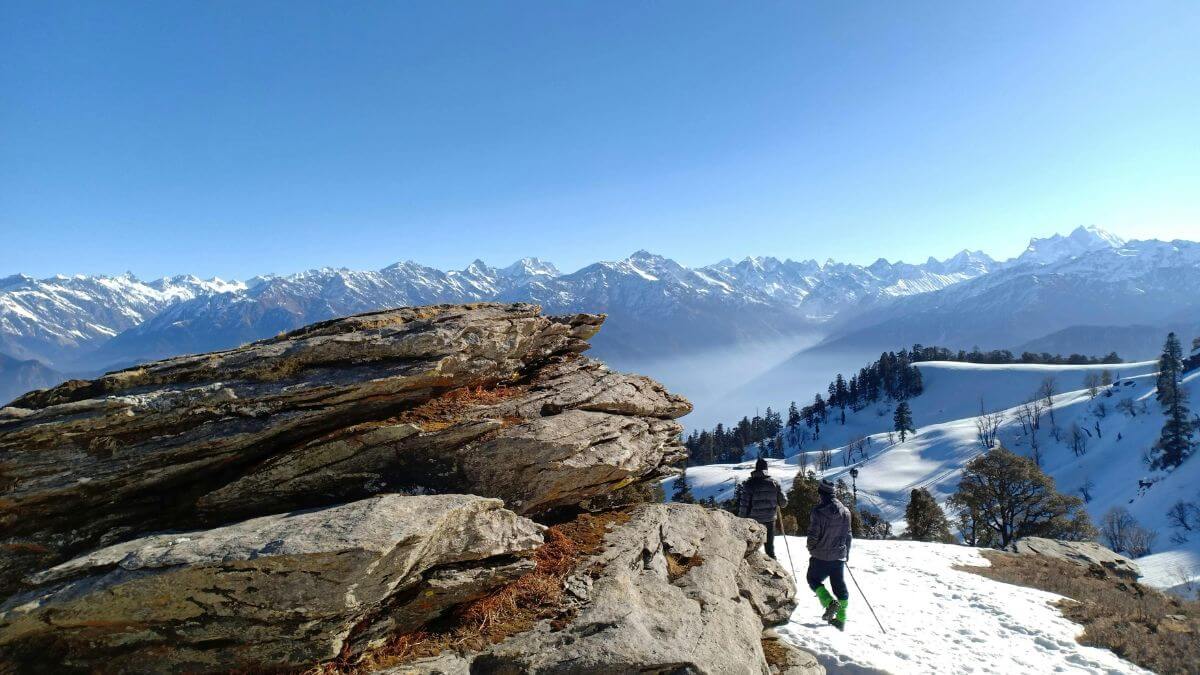
If you want to experience these traditions closely, our Dolpo Caravan Treks team can guide you safely through these remote valleys.
The Origins of Dolpo Traditions & Lifestyle
Dolpo’s culture did not appear overnight. It grew slowly, shaped by mountains, long winters, and careful living. When people talk about the Dolpo lifestyle & traditions, they often begin with the land itself, because it shapes almost everything, such as how families farm, how they travel, and even how they pray. This geography is the reason the traditional lifestyle in Dolpo remains so pure today.
Upper Dolpo vs Lower Dolpo
Even though Dolpo is one region, the culture shifts gently between Upper Dolpo and Lower Dolpo. These differences help explain the wide range of Dolpo traditions, beliefs, and daily routines you see today.
| Aspect | Upper Dolpo | Lower Dolpo |
| Cultural Identity | Strong Bon influence, ancient customs | Mainly Buddhist, gentle modern influence |
| Dolpa Lifestyle | Simple, traditional, shaped by herding | Mixed lifestyle with small modern touches |
| Rituals & Beliefs | Powerful Bon rituals, protective ceremonies | Buddhist practices with some Bon roots |
| Festivals | Shey Festival and village rituals | Similar festivals with modern participation |
| Preservation | Very stable traditions | Tradition remains strong but is slowly changing |
|
Did You Know? |
Dolpo people's lifestyle
Life in Dolpo may look simple at first glance, but once you spend a little time here, you notice how much wisdom is tucked into every routine. The people live in one of the highest, driest parts of Nepal, yet they maintain a calm, steady rhythm shaped by the Dolpo lifestyle & traditions. Each day reflects a balance between work, faith, family, and nature.
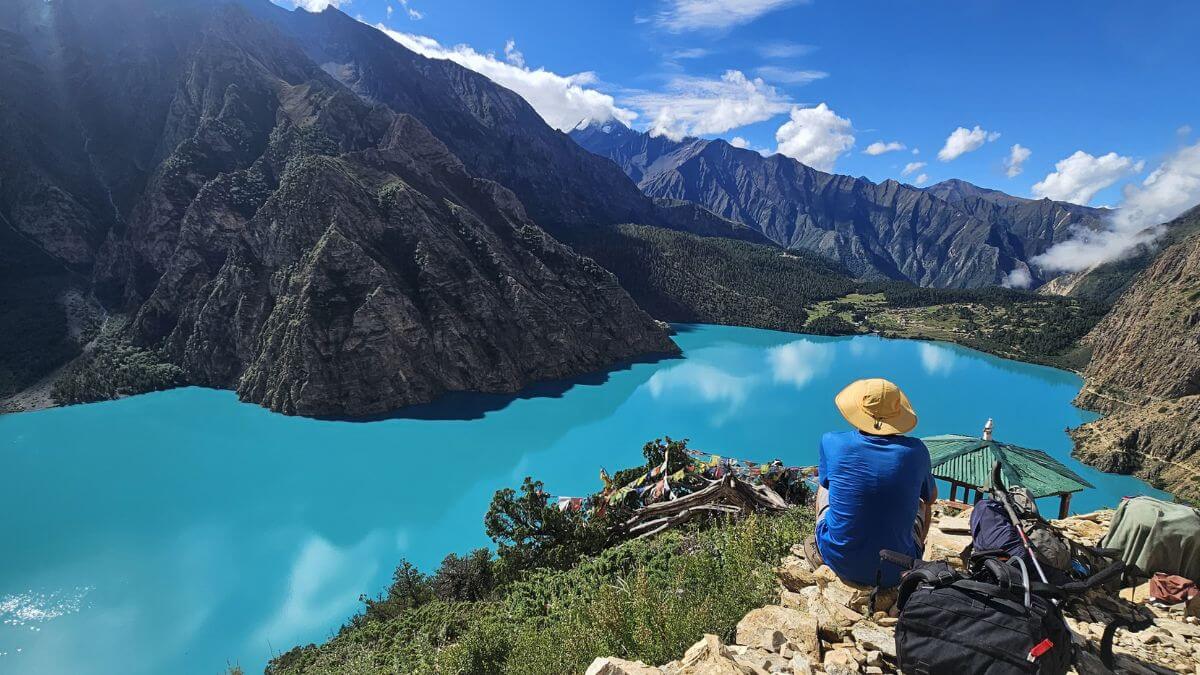
The slow pace of life, warm smiles, and shared responsibilities create the kind of community many people dream of. Visitors walking the Upper Dolpo Trek, Lower Dolpo Trek, or the path to Phoksundo Lake often say it feels like stepping into a living museum where the old world still breathes.
Daily Routines in Dolpo Villages
As the sun rises, you can hear the soft bells of yaks and sheep echoing across the valley. This is where the Dolpa lifestyle begins each day. Families usually start with tending to their animals. Herding is not just a job; it is a part of Dolpo culture passed down from parents to children. Yaks provide warmth, transport, and food, so caring for them is a key part of survival.
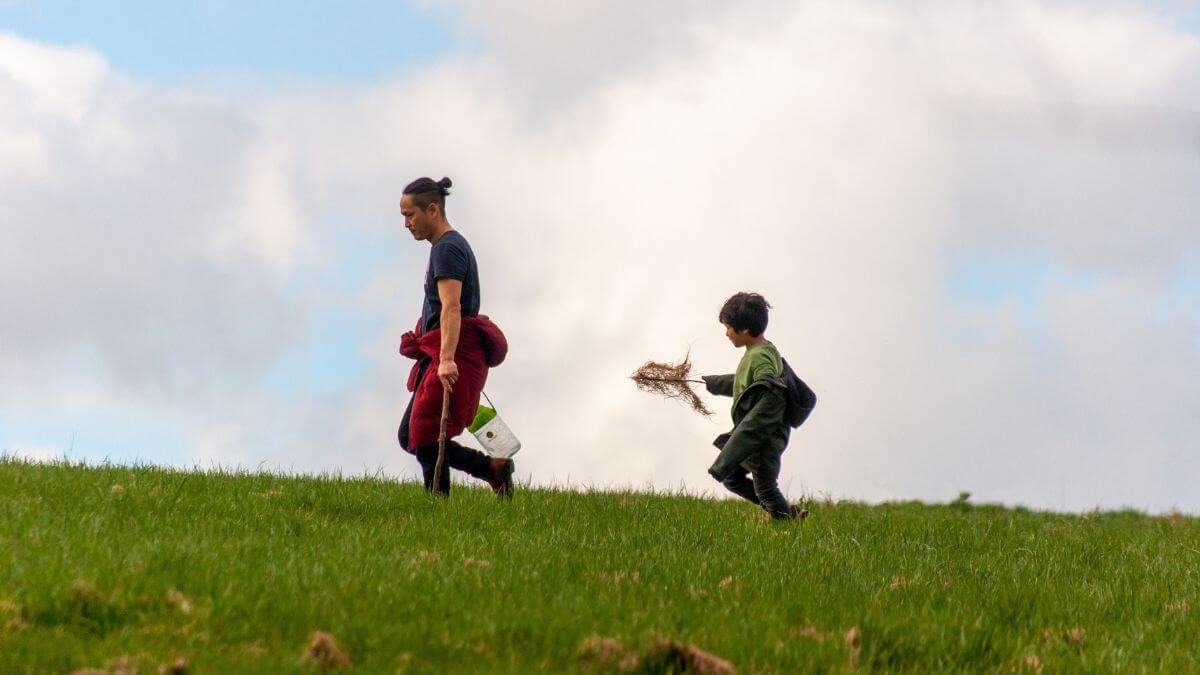
Thereafter, many villagers head to their small fields. Even though the land is rocky, families grow hardy crops like barley, buckwheat, and potatoes. Neighbors often help one another during planting or harvesting. This teamwork protects the community against hard winters and shows the true heart of Dolpo traditions.
Homes & Settlement Structure in the Traditional Lifestyle in Dolpo
In Dolpo, homes are designed with the cold climate in mind. Most houses are built from stone because it holds heat. The flat roofs help dry firewood or store grain, and the thick walls protect families from winter winds.
Families gather around the hearth to cook, talk, and share stories. These simple homes keep communities close and reflect the practical wisdom found in the Dolpo heritage.
Villages are often built close together. This creates a strong support system, especially when snow blocks trails or when someone needs help. This closeness is one of the most valuable parts of the traditional lifestyle in Dolpo.
Food Culture in Dolpo Lifestyle & Traditions
Food in Dolpo is simple but meaningful. Every dish tells a story about survival, community, and the mountain environment. Families rely on meals like:
- Tsampa (roasted barley flour)
- Boiled potatoes
- Barley bread
- Butter tea for warmth and energy
These foods are simple to store and cook, making them perfect for long winters. Because the growing season is short, food storage becomes a skill passed down through generations as a key part of Dolpo customs.
Families share large meals with neighbors and guests during festivals or any special visits. Hospitality is a major part of the Dolpo way of life. Even in times of scarcity, the Dolpo people cultivate kindness by providing warm food. Visitors often say this generosity is what they remember most from their Dolpo Caravan Trek experience.
Ancient Dolpo Tradition and Practices
The Dolpo lifestyle & tradition you see today are not new. They come from centuries of shared stories, spiritual beliefs, and simple routines passed from elders to children. That's why Dolpo feels like a living heritage museum, where every smile, prayer, and celebration tells a story.
Generations have passed down these ancient Dolpo traditions, which significantly influence identity, family relationships, and community harmony. As you walk through villages during the Upper Dolpo Trek or Phoksundo Lake Trek, you see these traditions woven into daily life.
Tibetan Influence on Dolpo Culture
Dolpo shares a long cultural connection with Tibet. Because the region lies close to the Tibetan border, many elements of daily life reflect this relationship.
We can see Tibetan influence in:
- The language
- Woolen clothing
- Traditional homes
- Prayer wheels and mani walls
These elements blend naturally with Dolpo traditions, giving villagers a strong identity rooted in both the land and their ancestors. The Tibetan connection is also evident during the Shey Festival, when dances, chants, and rituals fill the valley with music and color.
Visitors on the Dolpo Caravan Trek often feel moved by this cultural harmony. It shows how the Dolpo way of life is both ancient and welcoming.
Marriage Customs in Dolpo
Marriage in Dolpo is not just about two people; it brings two families and sometimes whole villages together. Elders usually play a major role in choosing a partner, and once the families agree, preparations begin. A Dolpo wedding typically includes:
- Blessings from elders
- Simple but meaningful offerings
- Sharing food with neighbors
- Prayers at the local monastery
These practices highlight how Dolpo traditions value peace, family unity, and long-term stability over expensive celebrations. Travelers often feel touched by how sincere and heartfelt Dolpo marriages are.
Do you want to witness Dolpo’s living traditions during your journey? Join a cultural trek with Dolpo Caravan Treks.
Family Roles in the Dolpo Way of Life
In Dolpo, family is the center of everything. Every member contributes to the household in a way that keeps life running smoothly, even in the tough Himalayan climate.
Typical roles include:
- Parents farming or herding
- Elders caring for children and teaching old stories
- Young ones helping with simple chores
- Teens learning ancestral skills
These roles keep the Dolpo way of life strong and balanced. They also help preserve the Dolpo heritage, as knowledge is passed on naturally in daily living rather than through formal lessons. When trekkers meet Dolpo people on the trail, they often say that the kindness and teamwork remind them of how communities used to live long ago.
Traditional Crafts & Skills in Dolpo Culture
Dolpo villagers are highly skilled at crafting everyday items by hand. These crafts are not just useful, as they carry emotional meaning because they reflect the wisdom of earlier generations. Common crafts include:
- Hand-woven clothing for warmth
- Wooden tools and household items
- Traditional ropes, bags, and ornaments
- Ritual tools used in Dolpo rituals and beliefs
These skills survive because Dolpo’s isolation makes self-reliance essential. During treks such as the Dolpo Caravan Trek or Lower Dolpo Trek, travelers often meet villagers spinning wool, carving wood, or shaping tools beside their homes.
Cultural Note: “Every handmade item in Dolpo carries a story of the family who made it, the land that shaped it, and the traditions that guide it.”
Dolpo Rituals and Beliefs
Faith is at the center of the Dolpo lifestyle & traditions. In these high valleys, where life depends on weather, nature, and timing, people turn to ancient beliefs for strength. Their rituals help create balance in the community and lifestyle harmony with the land.
As you walk along the Upper Dolpo Trek or visit villages like Shey and Dho Tarap, you feel this spiritual presence everywhere, from the sound of prayer chants to the sight of colorful flags fluttering on hilltops.
Bon Religion
Bon religion is one of the oldest spiritual traditions in the Himalayas, and many villages in Upper Dolpo still practice it today. Bon rituals honor nature, such as mountains, rivers, trees, and spirits, and help protect the village from misfortune. Common Bon practices include:
- Offering grains, incense, or butter lamps
- Praying to mountain deities before long journeys
- Performing healing rituals during sickness
- Using sacred stones and symbols for protection
These rituals reflect the deep respect the Dolpo people have for the land. They believe the mountains are alive, watching over them like guardians. This belief is one of the reasons ancient Dolpo traditions still feel powerful today. Trekkers often encounter Bon shrines along the Shey Gompa Trek, where the air itself feels filled with stories and old blessings.
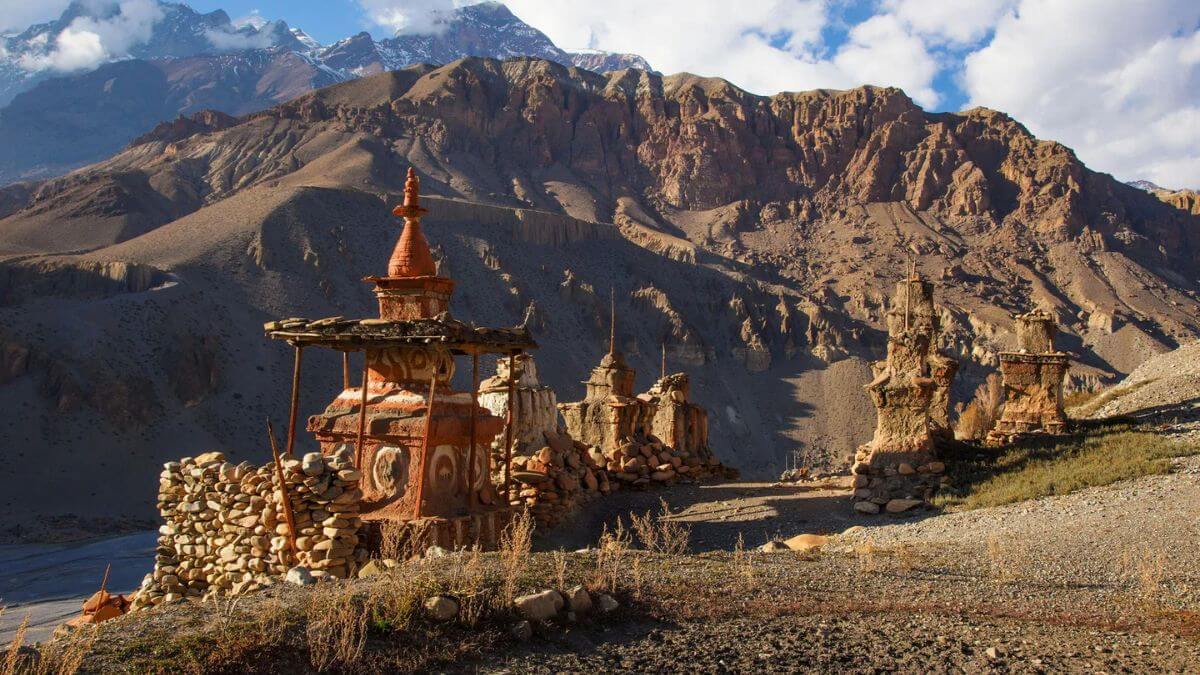
Visit Bon monasteries and learn the roots of Dolpo rituals with a cultural trek guided by Dolpo Caravan Treks.
Tibetan Buddhism in Dolpo Culture
Tibetan Buddhism also plays a major role in Dolpo culture, especially in the villages of Lower Dolpo. Monasteries like Shey Gompa and Thasung Tholing stand as centers of learning, meditation, and community gatherings. Prayer wheels spin softly inside, murals glow under butter lamps, and monks chant mantras heard all the way down the valley.
These elements express the calm, disciplined side of Dolpo traditions. They also guide people in kindness, patience, and gratitude—values that form the heart of the Dolpa lifestyle.
As you travel through the region, prayer walls and chortens line the trails, reminding visitors to walk with respect. This spiritual presence provides a sense of peace that is uncommon in modern life.
Spiritual Insight: “In Dolpo, rituals are woven into daily life—not as grand events, but as quiet reminders of gratitude, hope, and harmony.”
Festivals and Celebrations of the Dolpo
Festivals in Dolpo are more than joyful gatherings—they are living threads that tie families, villages, and generations together. Each celebration reflects the strength of the Dolpo lifestyle & traditions, reminding people of who they are and where they come from. Because Dolpo is so remote, these festivals also help keep community bonds strong, especially during the cold months.
Experience Dolpo’s festivals respectfully with Dolpo Caravan Treks, where every journey supports local culture and communities.
Shey Festival
The Shey Festival is the heart of Dolpo heritage. Held near the sacred Crystal Mountain, this gathering happens only once every twelve years, following the Tibetan zodiac cycle. Villagers from Upper and Lower Dolpo walk for days to reach Shey Gompa, creating a beautiful scene of color and devotion.
The Shey Festival is a powerful expression of Dolpo traditions, bringing the community together in a way that few other regions in Nepal can match. Many trekkers plan their Dolpo Caravan Trek around this event because it offers a rare chance to witness Dolpo heritage in its purest form.
Tibetan-Influenced Festivals in Dolpa Lifestyle
Because of Dolpo’s close ties to Tibet, many celebrations follow Tibetan customs. These festivals strengthen the Dolpo way of life by honoring family, ancestors, and nature.
Losar (Tibetan New Year): People celebrate it as the New Year, with relatives inviting each other to dance, sing, and eat special foods. People also visit Gompas (monasteries) to pay respects and seek blessings from senior lamas.
Saga Dawa: The Saga Dawa festival is the most sacred Buddhist festival, commemorating Buddha's birth, enlightenment, and death on the same holy day (full moon of the 4th Tibetan month). Buddhist communities in Dolpo frequently observe it in monasteries and near sacred natural sites like Shey-Crystal Mountain.
These festivals show how Dolpo customs remain rooted in gratitude and unity, even as the world changes. Travelers on the Lower Dolpo Trek often see people lighting incense, hanging prayer flags, and offering butter lamps during these celebrations.
Local Village Celebrations
Not all festivals in Dolpo are large or famous. Many small celebrations happen quietly across the region throughout the year. These events bring warmth and joy into daily life.
- Harvest gatherings
- Winter storytelling nights
- Community feasts
- Blessings for herds and farmlands
Each celebration carries a piece of Dolpo heritage, reminding villagers and visitors that happiness does not need big crowds—it lives in shared meals, laughter, and simple traditions.
Final Thoughts
Dolpo is a place where life moves slowly, yet every moment feels meaningful. The Dolpo lifestyle & traditions have stayed strong because the people of Dolpa live with simplicity, kindness, and a deep respect for nature. Their daily routines, spiritual practices, and shared values protect the Dolpo culture that has shaped these mountains for centuries.
As more travelers visit through routes like the Upper Dolpo Trek or Lower Dolpo Trek, it becomes even more important to honor the Dolpo way of life. When visitors walk gently and learn with an open heart, they help keep the Dolpo heritage alive.
If Dolpo calls to you, Dolpo Caravan Treks can guide you with care so your journey supports the community and celebrates its traditions. Contact us today!
FAQs
What defines the Dolpo lifestyle & traditions?
Dolpo lifestyle & traditions are shaped by high-mountain living, where farming, herding, and strong community values guide daily life. These practices reflect the heart of Dolpo culture.
What are the most important Dolpo traditions today?
Key Dolpo traditions include high-altitude farming, yak caravans, Bon and Buddhist rituals, seasonal festivals, and simple family ceremonies that protect Dolpo heritage.
How do Dolpo rituals and beliefs guide daily life?
People follow Dolpo rituals and beliefs through morning prayers, offerings, and protective ceremonies. These customs help families feel safe, connected, and grateful.
Why is the Dolpa lifestyle unique?
The Dolpa lifestyle is unique because people live in remote valleys where nature sets the pace. Families depend on teamwork, simple routines, and respect for the land.
How does religion shape Dolpo culture?
Dolpo culture blends Bon teachings with Tibetan Buddhism. This mix appears in prayer flags, monasteries, healing rituals, and village ceremonies that give life meaning.
Which ancient Dolpo traditions continue?
Salt-caravan travel, hand-weaving, storytelling, and high-altitude farming continue today. These ancient Dolpo traditions connect the present with the past.
What festivals show the Dolpo heritage?
The Shey Festival is the best example of Dolpo heritage, along with Tibetan-influenced events like Losar and smaller village celebrations linked to the farming cycle.
How do people adapt to the high-altitude Dolpo lifestyle?
Families grow hardy crops, store food for winter, move animals to better grazing areas, and follow seasonal routines. These habits keep the Dolpo way of life strong.


Leave Your Comment